
By: Ari Blumenfeld
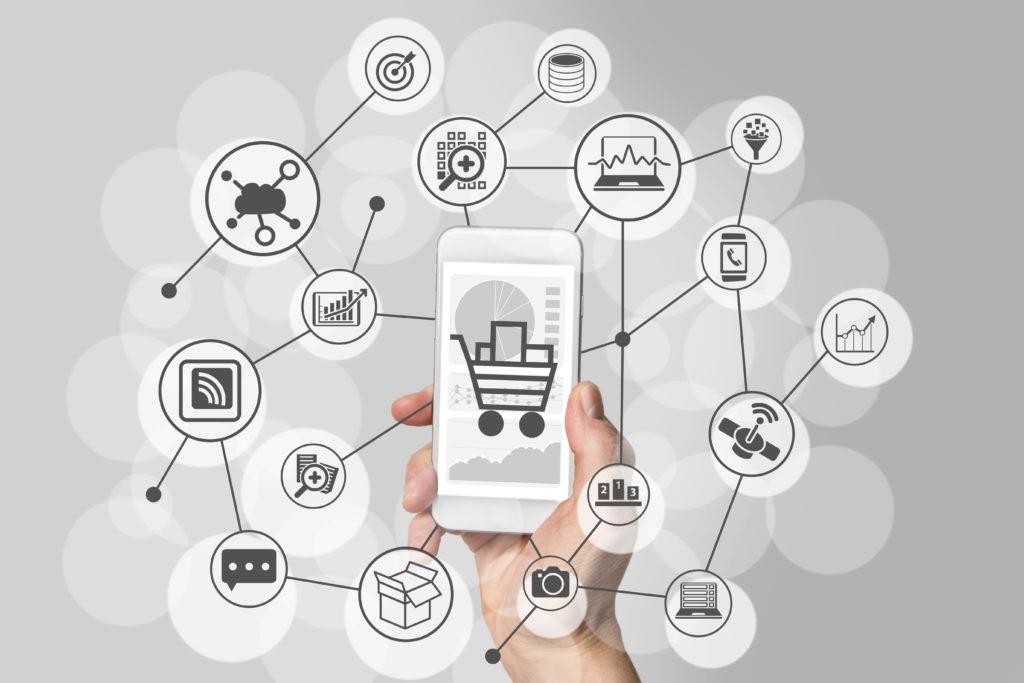
At the beginning of the 20th century, the notion arose that people were, in addition to workers, neighbors and voters, “consumers”. These shopaholic beings, who carry bags and accumulate things, continue to transform the way the world works. Nowadays, we can complain that we act like robots in the face of the campaigns of advertising ideologues and psychologists, or we can see the negative influence that our consumption has on the environment. But we can also see the other side of the coin and celebrate our freedom to choose a never before seen explosion of products, services, experiences and ways of life. In any case, what we cannot deny is the gigantic economic and political influence that consumers have.
As The Economist magazine points out in its special 21st century consumers, a new type of shopper is emerging: less swayed by fashion trends or what’s happening in America, and more interested in making sure what they buy reflects what who really believes and wants. This latest incarnation of the global consumer is likely to change the way capitalism works for the better.
Today’s buyers are undoubtedly more sophisticated, and this is a product of their access to more information thanks to the Internet. In addition, the demographic profile has changed. Before you had that caricature of the automaton buyer who filled the trunks of his cars with mountains of groceries, almost all of them American brands. Today the demographic balance is tilted towards Asia. Last year, China and the United States were neck and neck as the world’s largest retail markets. China’s two largest online marketplaces, Taobao and Alibaba’s tmall, do more business with third parties than Amazon, the US giant, combined. Just as North American consumers once popularized the shopping catalog and the mall, now shoppers in Asia are at the forefront of technological innovations in retail, whether it’s live-streaming in Tokyo or browsing WhatsApp in India.
Another global trend that is gaining more prominence is that new buyers (millennials and members of generation Z, above all) are not only aware of values in general, but increasingly project their own ethical and political values in decisions shopping. So, for example, they select companies based on their environmental credentials and the standards of their supply chains. Those shoppers are using their power to support trends, from veganism to cotton free Xinjiang.

The new generations are increasingly aware of their carbon footprint. Even Kraft Heinz, one of the more conservative Western food giants, is trying to change its name in an effort to disassociate itself from its reputation as an environmental polluter. It is a mistake to see these trends as mere signs of virtue or as a fad. One way capitalism adapts to changing preferences in society is through government regulation and laws, which are influenced by voters, at least in democracies. But the dynamic response of companies to signals sent by consumers is also a force for change.
Finally, the other big change is digital, but not in the way one might think. Many people worry that dominant retail platforms like Amazon and Alibaba, bolstered by giant logistics networks, will kill global trade as we know it, leaving malls empty and destroying jobs. In fact, I believe just the opposite, that the implications of the technology, both for producers and consumers, will be enormously positive. Increasingly accurate data from analytics about buying patterns is breaking the decades-long correlation between mass consumption and mass production. Instead, there is a more varied world where the shopper can decide whether to buy online or in-store, whether to buy through platforms or directly from individual brands, and whether or not to accept targeted ads. The physical store will not die, but producers and consumers will have a more direct relationship with each other. And that will inevitably mean that the less creative and efficient middlemen, including many stores, will be cut out of the supply chain. The boundaries between entertainment, communication and shopping will blur.
The most palpable result of all that has been said will be an increase in creativity, and this will benefit consumers. Shopify, a Canadian-owned technology platform that gives brands the opportunity to bypass Amazon, sold $120 billion worth of products from merchants last year, double its level in 2019. Every 28 seconds, this platform hosts the first sale of an online retailer, that is, it hosts more than 3,000 daily e-commerce debuts. In China, Pinduoduo, an e-commerce company started in 2015, may overtake Alibaba in user numbers this year, in part by allowing rural Chinese villagers to band together and buy groceries online. Companies like Nike are reducing their reliance on wholesalers and selling sneakers through their website and even through vending machines. Giant and traditional retailers like Walmart are going omnichannel too, branching out into new services for their digital customers. Even Amazon has opened its first cashierless grocery store outside the United States, in Ealing, London.
The pandemic has boosted online retail, but make no mistake, the new generation of digital shoppers is just getting started. Global e-commerce sales last year were $4.2 trillion while total consumer spending was $65 trillion, meaning the digital field accounted for less than 7%. What we do not know for sure, but we do intuit, is that this percentage will rise not linearly but exponentially.
The consumer was crowned king more than a century ago, but countless new aisles remain unexplored.
Sources:
- 21st century consumers will change capitalism for the better (The Economist, Mar 2021)
- Post lockdown: a new digital consumer? (Deloitte, Aug 2020)
- E-commerce statistics 2021 (ecommerceguide.com)
- 10 significant ecommerce statistics you need to know in 2021 (webinterpret.com)